
Lost combination and forgotten codes
Recovery of mechanical dial combinations and electronic safe codes without damaging the body or the door.
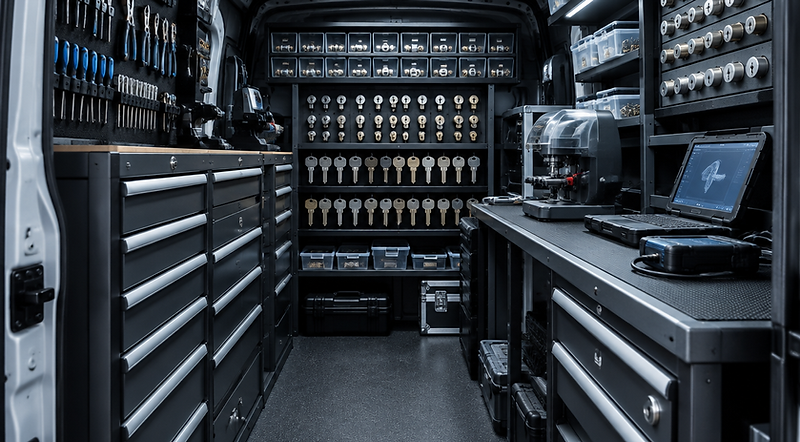
Lost combinations, jammed bolts, locked safes
Safe opening and combination changes for homes and businesses — by manipulation and dialling first, drilling only when there is no other way.
The work
A locked safe is a particular kind of frustrating: the contents are right there, and the only thing standing between you and them is a mechanism with no keyhole to pick. Most calls come from a combination that was never written down, a safe inherited with a property, or a dial that suddenly will not land on the last number.
We open safes in the order that protects the safe. Manipulation and dialling come first, then any bypass the lock design allows, and only after that is drilling considered. When drilling is the answer, it is done at the manufacturer’s service point so the lock can be replaced and the safe returned to full working order.
Once it is open, the job normally continues: a new combination set, a replacement lock fitted, or a mechanical dial swapped for an electronic one you can actually manage. You are never left with a safe that opens but no longer secures.
What we handle
If it involves a lock, a key, a cylinder or a door that has stopped doing its job, it belongs on this list.
Recovery of mechanical dial combinations and electronic safe codes without damaging the body or the door.
Urgent openings where documents, medication, keys or a title deed are locked away and needed today.
Safes that came with a house, an office or an estate, where no combination or key exists at all.
Bolts that will not retract because of a failed mechanism, a bent door or an impact — opened and then repaired properly.
A fresh combination after a move, a staff change or a divorce, or a mechanical dial replaced with a keypad.
Freestanding home safes, gun safes, in-floor boxes, wall safes and commercial deposit safes from the common brands.
Included as standard
No upsell script and no mystery line items. This is the baseline on a job of this type.
How a call runs
Four steps, in this order, every time.
Send the make, model if you can see it, a photo of the door and dial, and what has happened — lost combination, jammed bolt or a safe that came with the property.
We need to be satisfied the safe is yours or that you are authorised to open it. A photo ID plus proof of address or a property document is usually enough.
The technician works the dial or bypass first. If drilling is required it is done at the service point, with the lock replaced so the safe still secures afterwards.
A new combination is set, the door is closed and reopened several times, and you are shown exactly how to operate it before we leave.
Questions
The things people ask before they send a request.
Also available
Dispatched around the clock
Lockouts, snapped keys, seized cylinders and burglar-damaged doors — attended day or night, 365 days a year.
Explore this service
Homes, apartments and rentals
Rekey every cylinder to one key, fit proper deadbolts, install smart locks and repair tired hardware.
Explore this service
Business, retail and industrial
Master keying, panic bars, keypads and storefront hardware, designed around how your building is actually used.
Explore this service
Mobile — we come to the vehicle
Locked out, key snapped, fob dead or no key at all — coded to your vehicle at the kerbside.
Explore this service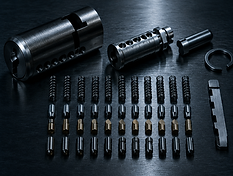
One key, controlled access
One key that opens the doors you choose, with separate levels for family, staff and managers — plus the paperwork to prove it.
Explore this service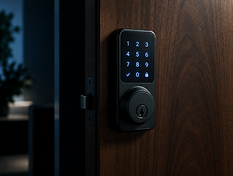
Exit devices, closers and door hardware
Push bars, closers, hinges and storefront hardware that open cleanly and latch properly — fitted to code, not just to fit.
Explore this serviceRequest service
Include the city, the address and what has actually failed. That detail decides which equipment is loaded before anyone sets off.
Map
The pin in the middle is our base. Every city around it is attended by a technician travelling from there.



